
Why Kids Struggle with Task Completion
So many parents struggle with getting kids to accomplish the basics at home...
@COPYRIGHT ASHLEY ANJLIEN KUMAR. ALL RIGHTS RESERVED.
**Disclaimer: Name & personal information of clients have been altered slightly to protect identity.
A 13-year-old boy sits in front of his schoolwork.
His body doesn’t stay still for more than a few seconds—he’s shifting, rocking, tapping, adjusting. Not because he’s trying to be disruptive, but because his system is trying to regulate.
The worksheet is still open. The expectation is still there.
And around him, adults are growing increasingly concerned: “He’s not finishing anything. He’s not keeping up. Something needs to change.”
But what looks like refusal or avoidance on the surface is often something much deeper happening underneath.
I coach a 13-year-old boy who navigates ADHD. He is in a mainstream classroom of 38 students, without additional support staff.
For any child, that is a high-demand environment. For a neurodivergent child, it can be neurologically overwhelming.
Over time, his parents became increasingly worried about his academic performance. And understandably so—when a child is struggling at school, concern is a natural response.
But what I began to notice in both his behaviour and his words was something important.
He said to me one day:
“My parents don’t listen.”
And underneath that sentence wasn’t defiance.
It was a quieter message:
“I don’t feel understood.”

Because I also coach his parents, I can see both sides of the system at play. And what becomes clear very quickly is that neither side is “wrong”—but both are missing key pieces of information about what is actually driving the struggle.
This is not about blame.
Parenting in today’s world is complex. It involves neurodiversity, overstimulated nervous systems, increasing academic expectations, and children trying to function in environments that don’t always match their developmental needs.
I have deep empathy for both the child and the parents in these situations.
What often happens next is a very common pattern:
When a child struggles to complete tasks, adults understandably increase structure, reminders, repetition, or pressure.
The intention is support.
But the impact can sometimes be the opposite.
Because “trying harder” does not always equal “helping better”—especially when the root issue is not motivation, but capacity.
In this particular case, I observe something very important during sessions.
This child is constantly in motion—wiggling, tapping, shifting position, touching objects, moving his body in subtle but continuous ways.
And when I look at his after-school workload, I see a mismatch.
More worksheets. More cognitive demand. More sitting still.
Without first giving his body the movement it is clearly asking for.
He eventually began completing schoolwork in ways that reflected strain: rushing, disengaging, or occasionally using shortcuts like AI just to get through it. And when the output didn’t meet expectations, he was often asked to redo it.
His parents are not unkind or uncaring. In fact, they are deeply invested in his success and future.
But they are also operating from a very understandable belief:
"If we increase effort and accountability, improvement will follow."
And for many children, that approach works—until it doesn’t.
At one point, during a family coaching session, he said:
“But I really want to go outside, not do worksheets.”
From working with him over more than 6 months, it became clear in my time with him, that this child had a strong physiological need for movement as a regulation tool. His body wasn’t “avoiding work”—it was actively trying to create the conditions where work could actually become possible.
And I turned to his parents and asked firmly, yet gently:
“What if we have this backwards?”
What I was seeing was a body that needed movement before focus.
A brain that needed discharge before cognition.
And this is where a much bigger pattern begins to emerge.
Many children are not struggling with responsibility because they are lazy, oppositional, or unwilling.
They are struggling because of:
nervous system overload
underdeveloped executive functioning skills
difficulty with transitions
sensory and attention demands
emotional overwhelm
and systems that unintentionally remove support before independence is built
And when we understand that shift, things can change.
Because task completion is no longer seen as a behaviour problem.
It becomes a capacity, regulation, and a support design problem.
This is where we begin the real conversation:
Why are so many children struggling with task completion, chores, and follow-through—and what actually helps them build the skills to succeed in a sustainable way?
Let’s break that down.
Why Kids Struggle With Task Completion
A Nervous System + Executive Function Perspective for Parents
**Educator/Classroom Guidance Included**
Many parents assume task completion is mainly about motivation, listening, or cooperation.
That if a child isn’t finishing chores, homework, or basic responsibilities, the issue is effort or attitude—and the solution is to remind more, structure more, or increase accountability.
But in reality, task completion is far more complex.

Many children struggle to complete tasks because of a combination of:
nervous system fatigue and overload
executive function development (still in progress)
transition difficulty between activities
attention competition (especially screens and high stimulation environments)
emotional overwhelm during effort-based tasks
inconsistent systems, expectations, or follow-through
over-support or constant verbal prompting that replaces independent initiation
When these factors stack together, task completion becomes significantly harder—even when a child wants to do well.
This shows up most clearly in day-to-day life as difficulties with:
getting started (task initiation)
staying focused long enough to finish
shifting between activities
holding multi-step instructions in mind
managing frustration during effort
following through without repeated prompting
And when children are dysregulated, rushed, overstimulated, or emotionally overloaded, these skills weaken even further.
So what looks like avoidance is often actually overload.
The Biggest Shift Parents Need to Understand
Children do not develop task completion skills through:
lectures
repeated verbal reminders
punishment or consequences alone
shame or pressure
adults taking over the task for them
These approaches may produce short-term compliance—but they do not build long-term independence.
Instead, children build task completion capacity through:
repeated opportunities to do the task themselves
predictable structure and visual systems
emotional safety during struggle
co-regulation and supportive adult presence
gradual responsibility based on developmental stage
supported problem-solving (not rescue)
experiences of: “I started this—and I finished it.”
That completion moment is powerful because it builds internal reward pathways (motivation, confidence, and resilience over time).

What Parents Often Do That Accidentally Makes Task Completion Harder
In an effort to help, many parents unintentionally reduce independence-building opportunities.
Common patterns include:
repeated reminders instead of visual systems
over-explaining instructions in the moment
stepping in too quickly when frustration shows up
rescuing before the child has time to attempt
giving multiple instructions at once
using urgency or pressure to drive action
expecting instant transitions between activities
asking questions when structure would be more effective
Individually, none of these are harmful.
But over time, they can unintentionally shift responsibility from the child to the adult—making follow-through harder, not easier.
I sometimes think of this as children having outsourced their executive functioning to adults instead of building their own. And not intentionally—but gradually because of how the adults are showing up or lacking systems...
When reminders, step-by-step instructions, urgency, or adult-led thinking become the default, children can begin to wait for external activation rather than developing internal follow-through.
This is where that responsibility shift can invisibly occur. It can cause kids to subconsciously "wait" until it's urgent or someone has raised their voice, or the parent is doing the thinking, processing, and step by step instructing for them... and it becomes a learned behavior pattern. (I'm guilty of this too!)

What Helps Instead
1. Instead of repeated verbal reminders… Use visual systems.
Children process visual information more effectively than repeated verbal prompting — especially when tired, distracted, and/or if neurodivergent.
Try:
visual checklists
picture routines
whiteboard task lists
backpack stations (for tasks like unpacking backpack and lunchkits)
chore charts
“first → then” visuals
Example:
❌ “Don’t forget your lunch kit, water bottle, and agenda!”
✅ Create a visual backpack checklist near the door.
The goal:
Move responsibility from the parent’s voice → into the child’s environment.
2. Instead of stepping in immediately when they struggle…Pause before helping.

Many children need a few moments of productive struggle before their brain shifts into problem-solving mode.
Try:
waiting 20–30 seconds before intervening (yes, pause and breathe ;)
asking: “What’s your first step?”
saying: “I’ll stay nearby while you try.”
offering support without taking over
Example:
❌ Parent immediately zips the backpack, cleans the spill, or solves the problem.
✅ “Try the first part yourself, and I’ll help if needed after.”
This builds:
resilience
frustration tolerance
self-belief
healthy help-seeking
3. Instead of giving large overwhelming tasks… Break tasks into smaller visible steps.

Many children shut down (become overwhelmed) because the brain sees “too much at once.” Especially neurodivergent children.
Try:
one-step directions
chunking tasks
timers for short bursts
using “finish points”
Example:
❌ “Clean your room.”
✅ “First, put all dirty clothes in the hamper.”
Then:
✅ “Now put books back on the shelf.”
The brain completes better when it experiences:
small success → dopamine → continued effort
4. Instead of correcting constantly… Focus on effort before perfection.

Children build confidence through:
participation
repetition
capability-building
NOT through perfect execution.
Try saying:
“You stayed with that even when it was hard.”
“You remembered your first step.”
“You’re getting more independent.”
This builds identity around:
“I am capable.”
5. Instead of expecting immediate transitions… Prepare them for transition
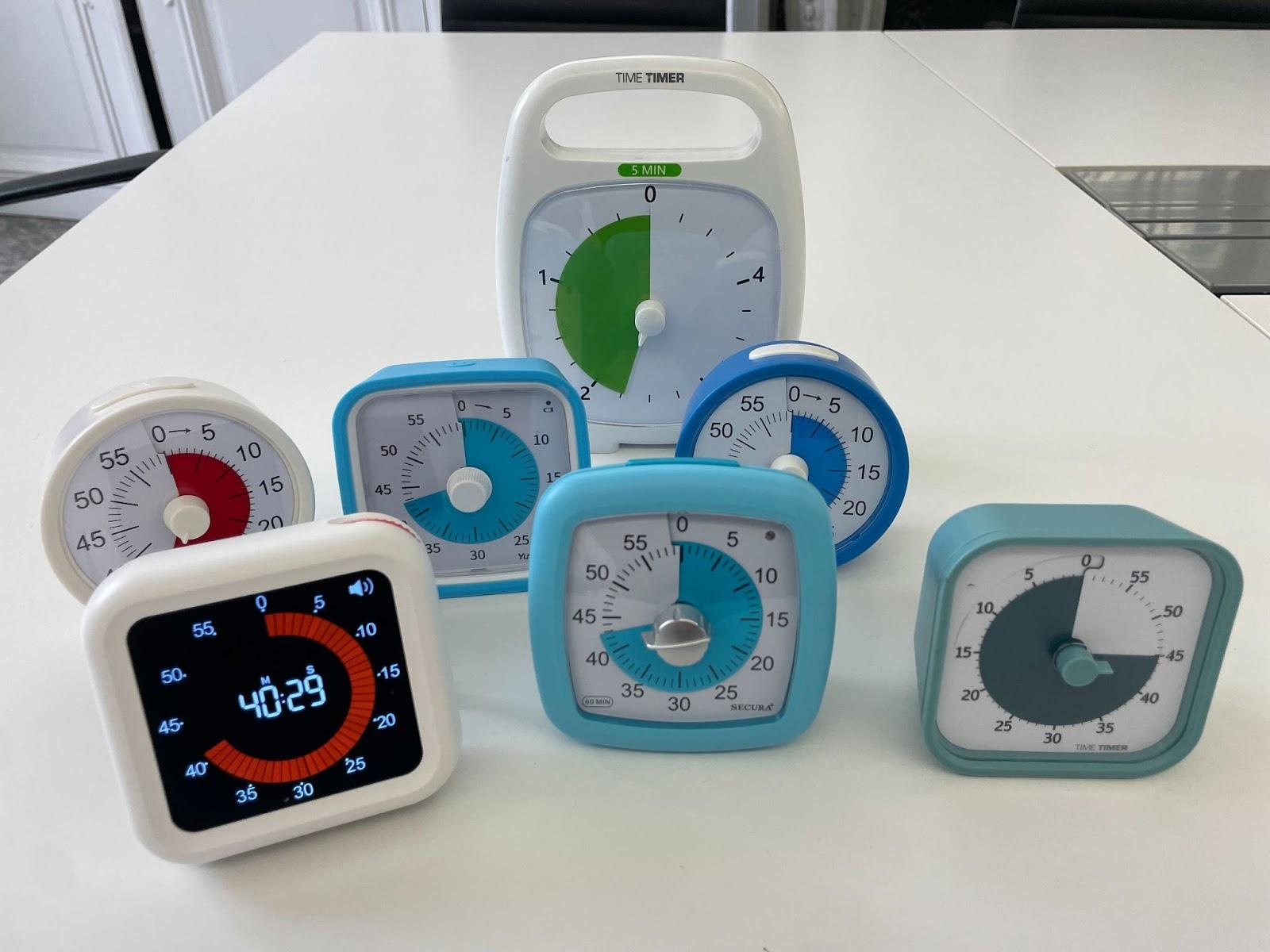
Transitions are one of the hardest tasks for children.
Especially from:
preferred → non-preferred tasks
stimulation → effort
play → responsibility
screens → real life
Try:
transition warnings (“10 more minutes”)
visual timers
movement before tasks (like my child-client needed in the opening story)
connection before direction
predictable routines and boundaries
Example:
❌ “Turn it off NOW and start homework.”
✅ “In 10 minutes we’ll put the iPad away, have a snack, then start homework together.”
Predictability reduces resistance.
Why After School Is Often The Hardest Time Of Day

After school is one of the most difficult transition points in a child’s day.
Many children are arriving home:
mentally tired
emotionally overloaded
sensory fatigued
hungry
overstimulated
and still processing the effort of “holding it together” all day
So what parents often see as resistance is frequently a nervous system shift from performance mode → recovery mode.
My 7-year-old son shows this very vividly. After school, I can expect a wave of “unwinding” energy in the form of loud sounds and big, sometimes erratic movements. Yes—it’s all playful, and yet it can still create challenges with task initiation, as well as moments of tension around kindness toward his sibling.
I understand this as him releasing the invisible stress of bracing all day at school, where he is expected to follow rules and expectations, decode social cues, and process constant sensory and cognitive input. By the time he gets home, he is finally in his safe space—where he can let go and trust that he will be seen and understood.
This is why capacity is often significantly reduced in the after-school window, including:
frustration tolerance
focus and attention
emotional regulation
task initiation
cognitive flexibility
So behaviours that can appear as:
laziness
attitude
refusal
disrespect
are often better understood as post-school nervous system depletion.
The 5 Biggest After-School Task Completion Struggles
1. Unpacking backpacks and belongings
Children often:
leave shoes out
abandon lunch kits
forget papers
drop jackets on the floor
Why?
Their brain prioritizes decompression before organization.
Helpful strategy:
Create a predictable “landing zone.”
Try:
a designated hook/bin system at child height
visual unpack checklist
doing the routine together until it becomes automatic
calm presence (not rushed correction or distracted parenting - phones down, chins up 😎)
2. Reaching for screens instead of regulation

Many children immediately want:
TV
tablets
gaming
YouTube
Why?
The nervous system is looking for:
dopamine
escape
low-effort stimulation
decompression
Helpful strategy:
Build a decompression routine BEFORE screens.
Try:
snack + hydration
movement or outside time (again, like the aforementioned kiddo)
connection (yes - with you parents/caregivers!!)
THEN screens (if you allow screen time during the week as parent leaders)
Instead of:
❌ “No screens! You haven’t done anything yet!”
Try:
✅ “First we help your brain and body reset, then screens can come later.”
3. Homework avoidance

Why?
School already required:
sustained attention
working memory
emotional regulation
sitting still
social navigation
Many children need nervous system recovery first.
Helpful strategy:
Don’t demand immediate homework.
Try:
snack first
movement break
outdoor play
body reset
co-working beside them initially if starting homework.
Instead of:
❌ “Sit down and get it done right now.”
Try:
✅ “Your brain needs a reset first. Then we’ll tackle one piece at a time.”
4. Picking up after themselves
Why?
After-school executive function fatigue lowers:
awareness
initiation
follow-through
Helpful strategy:
Reduce verbal overload and create predictable routines.
Try:
one consistent cleanup routine daily
visual cues
fewer words
same sequence every day
Instead of:
❌ “Pick up your stuff!”
Try:
✅ “Backpack on hook, shoes on shelf."
Specific direction is easier for the brain to process. (What age is this appropriate for? It depends - reach out for more info; we don't want to keep telling our teens this stuff - so context matters)
5. Emotional explosions or irritability

Why?
Many children spend all day:
masking
suppressing impulses
managing sensory/social overwhelm
trying hard to meet expectations
After school, the nervous system shifts into release mode when they get home to their "safe space."
Helpful strategy:
Focus on regulation before correction.
Try:
connection before problem-solving (play with your child when you see them after school/when you get home from work)
movement/physical exertion/activity
snack and hydration
quiet decompression spaces
lowering demands briefly
Instead of:
❌ “Why are you acting like this?”
Try:
✅ “Your body seems overwhelmed right now. Let’s help your nervous system settle first.” (Yes, I actually talk to my kids like this, and so do many other parents...)
Educators & Task Completion Struggles In The Classroom
I also want to acknowledge educators for a moment, because many teachers and school staff are carrying an enormous load right now.
Large class sizes, rising emotional and behavioural needs, neurodiversity, academic pressure, overstimulation, and limited support staff have created incredibly difficult classroom environments.
So when task completion struggles show up at school, it’s important that we reduce shame not only for children and parents — but for educators too.
Many students who appear:
inattentive
avoidant
oppositional
unmotivated
…may actually be struggling with:
lagging executive function skills
nervous system dysregulation
sensory overwhelm
cognitive fatigue
unsupported task initiation
This does not mean expectations disappear.
It means support and scaffolding matter.
Often, what helps struggling students most is:
supportive structure
movement opportunities
visual systems
predictable routines
smaller task steps
emotional safety
When adults shift from asking:
“Why won’t this child comply?”
to:
“What support is missing here?”
…we create far more opportunities for children to build confidence, responsibility, and long-term independence.
After a recent presentation for a local school board, one of the teaching assistants sent me a message and said:
“I wish your material could be part of our mandatory training here at the XXXX school board.”
That stayed with me.
Because educators are often hungry for this information. They WANT tools. They WANT ways to better support children. But many are trying to figure it out while already drowning under impossible expectations.
In Summary:
Many task completion struggles are not character problems or signs that a child is lazy, difficult, or unwilling to cooperate. More often, they are connected to nervous system challenges, transition difficulties, executive function fatigue, overwhelm, and the dynamics within the home environment itself. Children build responsibility most effectively when they experience predictable structure and boundaries, gradual and consistent expectations, healthy opportunities to struggle and problem-solve, emotional safety, repeated opportunities to succeed, and scaffolded support when needed. Responsibility and independence are not built through pressure or shame, but through repeated experiences of being supported while learning how to manage real-life tasks over time.
🌱 FREE RESOURCE FOR PARENTS
To support you in applying these ideas, I’ve created a free Age-Based Chore Development Guide (2–12+ years) along with a Visual Weekly Responsibilities Chart you can start using immediately.
Inside, you’ll get:
A clear breakdown of what children are developmentally capable of at each age
Real-life chore examples for daily routines, kitchen tasks, and home responsibilities
A simple progression pathway from participation → independence
A Visual Weekly Responsibilities Chart to bring structure and consistency into your home
This is not about doing more as a parent.
It’s about matching expectations to developmental capacity so cooperation becomes more natural, and daily life becomes less emotionally charged.
When structure is clear, children don’t need to rely as heavily on reminders, negotiation, or escalation—they can simply follow what is already visible and predictable.
(**Educators can adapt some of the material too, or use it as a template for classrooms!)
👉 Download your free Age-Based Chore Development Guide + Visual Responsibilities Chart here:
Got Questions, Concerns or need to connect further? Reach out [email protected]
WHO IS THE

They say that our kids don’t come with a manual when they’re born…
Pssst! I’ve got a secret to share with you! I've got THE MANUAL!

As a Self-Esteem and Self-Confidence Coach for Kids and Certified Master Parenting Coach, I help families create cohesive, connected and expressive teams where the focus is to help kids gain sensational self-confidence and soaring self-esteem, while helping parents overcome hurdles that prevent them from achieving the supportive and peaceful family system they desire.
For kids, I use a 6 step system rooted in story-telling and multi-sensory learning to go from disempowered, disengaged and unmotivated to self-empowered, self-connected and self-motivated.
With parents, I have a unique and very comprehensive 14 step approach that allows us to explore parenting patterns that play a role in the challenges kids and families experience - which impact overall well-being in addition to academics and school performance.
The goal is to provide information, awareness, strategies, and develop skills so that parents can grow into conscious, confident and empowered family leaders.
All the information presented in the programs are evidence-based, researched and involve the application of modern neuroscience, nervous-system science, positive psychology, and other studies around child-brain development and human sciences. Often materials lean on experts in the fields such as Dr. Dan Siegal, Dr. Peter Levine, Dr. Rocio Zunini and many others.
For a FREE Parent Consult (and to learn about this "Manual" that I have), or for a FREE Kids Confidence Consult, please reach out via email to [email protected]
Yours In Confidence,
Ashley Anjlien Kumar, The Confidence Coach for Kids & Parents
