Your Child's Confidence is Forming Right Now.
Is Over-Parenting Part of the Pattern?
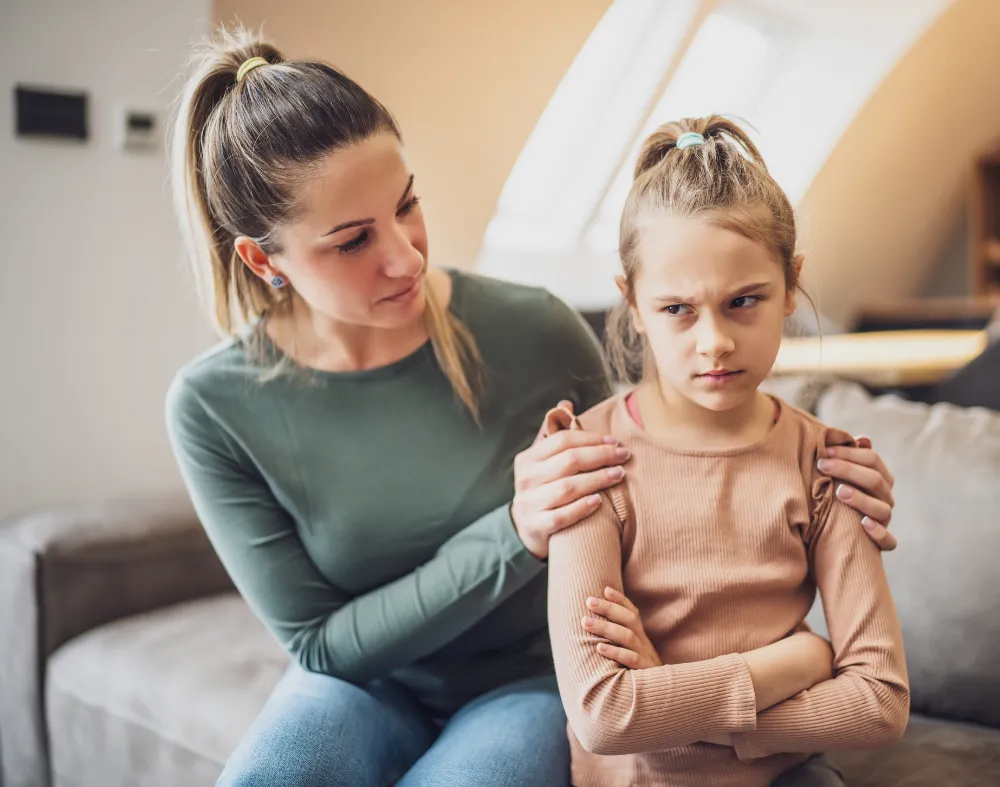
Take the free 3-minute quiz: Find out if everyday parenting habits may be shaping your pre-teen's confidence, resilience, and independence.
Free · 3 minutes · Instant personalized results
You're a parent who cares enough to look closely — and that's exactly why this quiz will be useful to you. Over-parenting is a loop, and it's no one's fault.
Do these feel familiar:
⚡ You feel like you're often reminding, organizing, or rescuing.
⚡ Your child gives up when things feel difficult and may rely on you to step in.
⚡ You find yourself doing more because it feels easier or faster.
⚡ Small challenges feel like your responsibility to solve.
⚡ You often find yourself stepping in to keep things moving.
⚡ Your child waits for your direction instead of taking initiative.
⚡ Your child rarely tries before asking for help.
⚡ Your child seeks your reassurance often.
⚡ Disappointment and frustration tolerance are low.
Take the free 3-minute quiz to find out if everyday parenting habits may be shaping your pre-teen's confidence, resilience, and independence.

This is not about blame. You love your child deeply. You want to interrupt patterns from your own childhood.
You want your child to feel supported, capable, and confident — so when they struggle, it's natural to step in.
But the very things we do from love can unintentionally reduce the chances our children get to build confidence, resilience, and independence on their own.
I understand this deeply — because I've lived it myself.
The real question isn't about "doing more" as a parent.
It's about understanding if the way we support our children builds self-trust — or if stepping in is happening so often that it impacts their resilience and self-confidence?
Free · 3 minutes · Instant personalized results
The Earlier We Understand the Pattern, the More Intentionally We Can Support Our Children

Many parents don't notice the effects of over-parenting when their kids are young.
Things can look like they're going well — well-behaved, closely connected, leaning on you for support
But as they grow, they need increasing opportunities to practice independence, solve problems, and build trust in themselves.
Some parents begin to notice patterns such as:
Low frustration tolerance
Difficulty coping with setbacks
Lack of confidence in decision-making
Increased dependence on reassurance, approval or validation from others
Avoidance of healthy challenges, mistakes, or discomfort
Emotional overwhelm when small tasks are perceived as huge undertakings
Most Over-Parenting Doesn't Come From Control.
It Comes From Care.
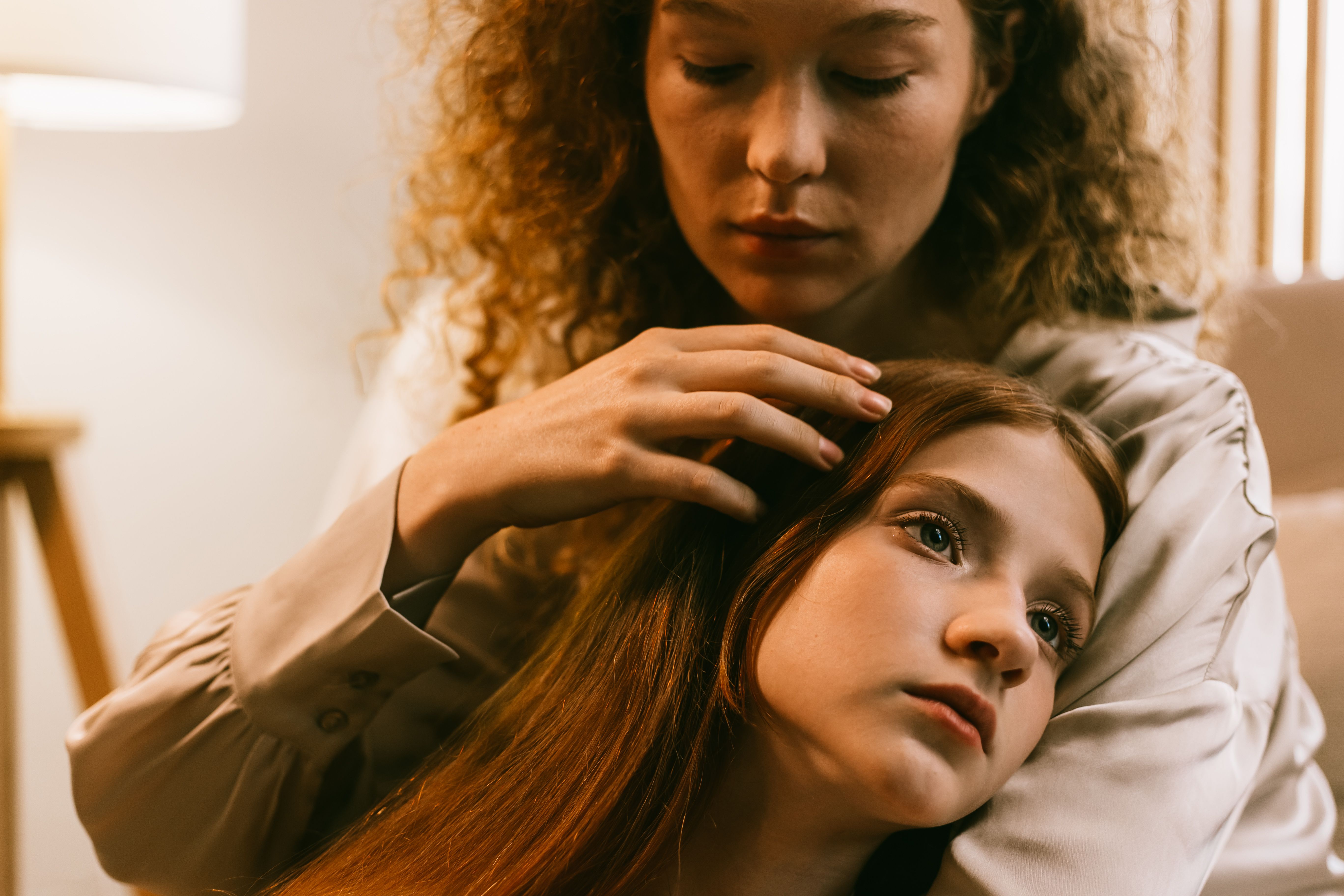
This shows up when parents feel:
⚡Difficulty watching a child struggle
⚡Anxiety about not "doing enough"
⚡Fear of not "raising their child right"
⚡A pull to protect a child from disappointment or discomfort
⚡Their own childhood shaping how they respond to uncertainty
This quiz isn't a verdict on your parenting.
It's built to help you spot patterns of over-functioning that many caring, thoughtful parents develop — often from love, protection, and their own life experience.
The goal is awareness, not judgment. Once you can see a pattern, you can start making small, intentional shifts that give your child more room to grow.
Take the Quiz. Get Your Parenting Pattern Profile.
In just a few minutes, you’ll receive a personalized Parenting Pattern Profile exploring the factors influencing your child’s confidence, resilience, emotional well-being, and self-assurance with insights into:

Over-Functioning Behaviour
Do you step in, remind, rescue, fix, or take over more often than necessary?
Emotional Reactivity
How much does your child's distress, frustration, or behaviour activate your own nervous system?
Attachment & Trust Patterns
Are you parenting primarily from trust—or from fear?
Childhood Conditioning
How might your own childhood experiences be influencing your parenting approach today?
Control vs. Confidence Building
Is the current path creating opportunities for healthy independence, or are there areas where your your child isn't practicing inner power and building capacity to get through situations, tasks, or challenges?
Bonus: Free Parent-Training
When you complete the quiz, you'll also receive an invitation to my free parent training where you'll learn:
✓ What actually builds lasting self-esteem
✓ Why confidence often drops during the pre-teen and teen years
✓ The difference between supporting and over-functioning
✓ How to strengthen resilience before adolescence
✓ Practical ways to build confidence without increasing dependence
Meet Ashley Anjlien Kumar
Certified Self-Esteem & Self-Confidence Coach for Kids
Certified Master Parenting Coach
Somatic Trauma Therapy Practitioner

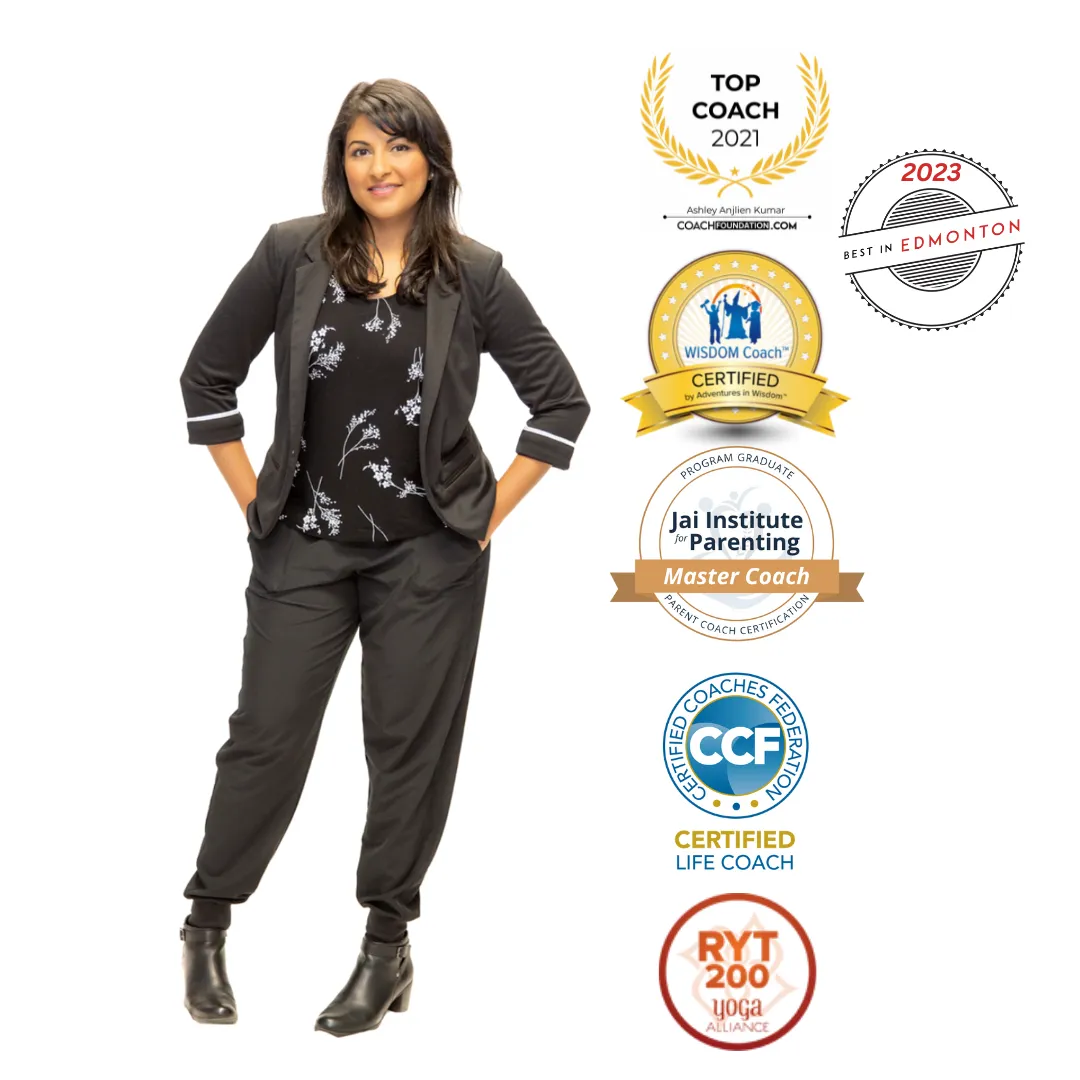
I help parents understand the connection between nervous system regulation, attachment, self-esteem, confidence, and resilient parenting so they can raise children who trust themselves, cope with challenges, and thrive through life's ups and downs.
My goal is to create cohesive, connected and expressive family teams where the primary focus is to help kids gain sensational self-confidence and soaring self-esteem, while helping parents overcome hurdles that prevent them from achieving the supportive and peaceful family system they desire.
When I was a child, I deeply struggled with low self-esteem and self-worth. I faced racism and bullying as well. I am a survivor who can attest to childhood trials and tribulations without the knowledge, tools, or resources to help me when I deeply needed them. What's more important to know is that the information I share with kids today, I didn't even know until I learned it all in my thirties after I had my own kids. The real deal is that we can't give our kids what we don't have. And I didn't have the information, tools and resources. But then...I got them. I learned. I did the work.
And now, for kids, I use a 6 step system rooted in story-telling and multi-sensory learning to help them go from disempowered, disengaged and unmotivated to self-empowered, self-connected and self-motivated.
With parents, I have unique 13 step approach that allows us to unearth subconscious parenting patterns that play a role in the family’s challenges and shift them so that parents can grow into conscious, confident and empowered family leaders with the help of support, tools and strategies .
Ready to Discover Your Parenting Pattern?
How our children respond to us can reveal important clues about their confidence, resilience, and independence.
Take the free quiz now and discover: Are you building resilience—or unintentionally stepping in where your child needs space to grow?
Takes approximately 3 minutes.
Disclaimer
This quiz is for educational and self-reflection purposes only and is not a diagnostic tool or substitute for professional mental health, medical, or parenting advice. Results are based on self-reported responses and are intended to provide general insight, not a clinical assessment.
@COPYRIGHT ASHLEY ANJLIEN KUMAR. ALL RIGHTS RESERVED | TERMS OF USE | PRIVACY POLICY